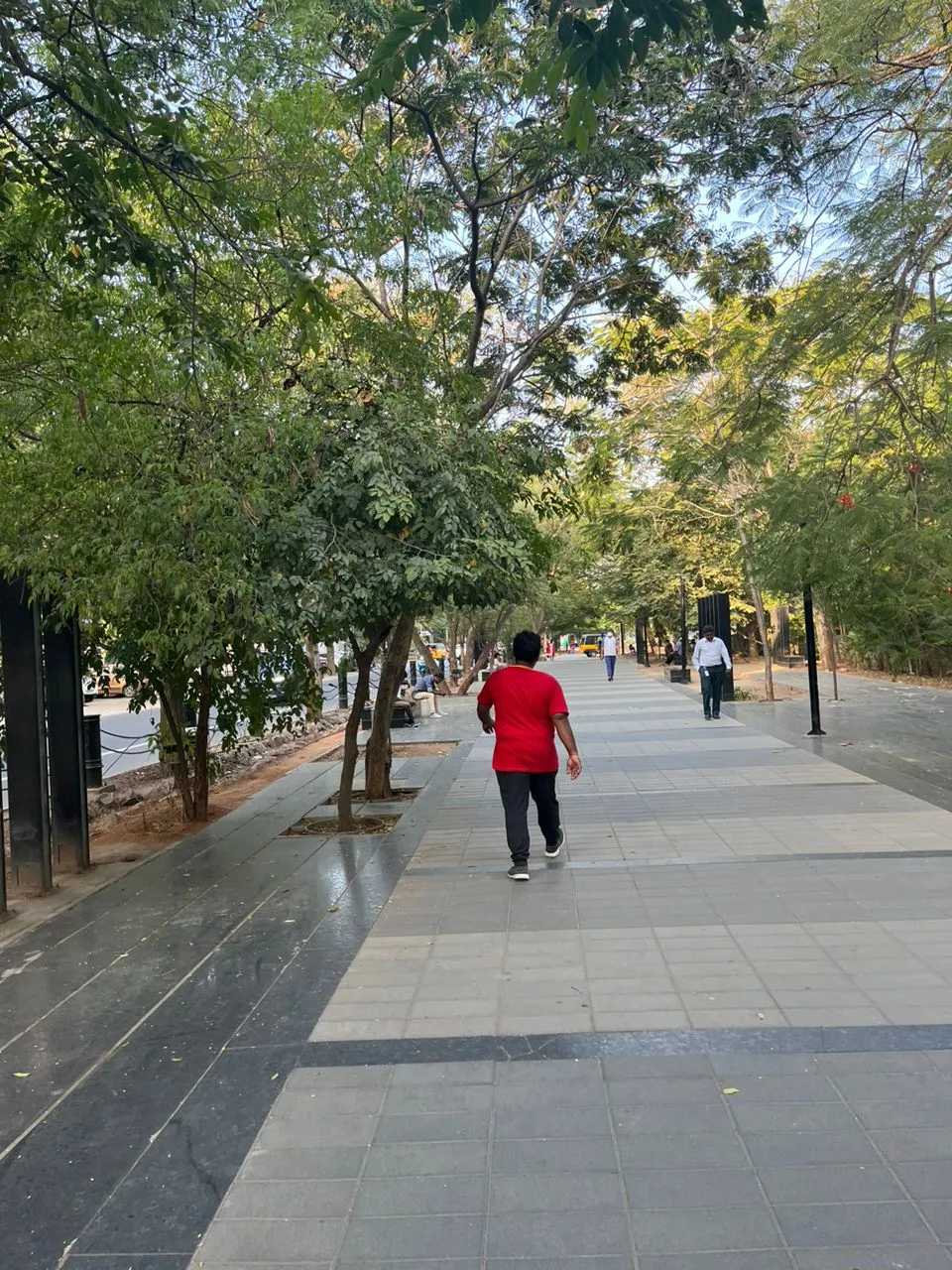
For motorists who have winced through pothole seasons and for pedestrians who have navigated broken footpaths, the Coimbatore City Municipal Corporation’s road renewal push lands as both promise and yardstick. A special allocation of Rs 200 crore from the Tamil Nadu government has underwritten an aggressive programme of tar relaying, strengthening and allied works—numbers that sound abstract until translated into lane kilometres and neighbourhood names. According to corporation briefings, renovation of 3,456 roads covering 503.67 km has been completed through tar relaying and strengthening, while a larger tranche of work continues under the Tamil Nadu Urban Road Improvement Programme (TURIP): more than 2,084 roads spanning 287.99 km, pegged at an estimated Rs 123 crore. Separately, damaged concrete roads across all five municipal zones are earmarked for repair at Rs 10.86 crore—a line item that matters in layouts where rigid pavement has cracked under heavy axle loads and utility cuts.
Roads are Coimbatore’s circulatory system: they connect textile units in Peelamedu to tech offices in Saravanampatti, carry milk vans from hinterland belts to APMC yards, and channel school buses through wards where apartment towers have multiplied faster than last-mile infrastructure. When surfaces fail, the costs ripple—fuel waste, vehicle damage, ambulance delays, and the quiet tax on time paid by daily-wage workers on two-wheelers. A Rs 200 crore headline does not erase those frictions overnight, but it signals that the civic body is attempting to move from firefighting to programme mode. For many residents, the proof will be measured in fewer bone-jarring commutes before the next monsoon and in safer night rides home for daily shift workers.
Officials underline that sequencing matters: arterial repairs reduce cascade damage on interior roads; storm-water coordination prevents fresh digging within months of asphalting; and utility agencies are urged to cluster cable and pipe work before final overlays. On paper the logic is impeccable; on ground, residents still encounter stretches where one department’s trench undoes another’s smooth top. The success of this cycle will be judged as much by inter-agency discipline as by tonnage of bitumen.
Residents’ WhatsApp groups trade photographs of potholes like trading cards—some dated, some fresh after a utility cut. The corporation’s challenge is to convert that scepticism into dated, geotagged closure: here is the trench permit, here is the restoration certificate. Digital governance portals promise such traceability; uptake among everyday users remains a work in progress.
Climate stress adds urgency: hotter summers soften binder courses faster if mixes are marginal; sudden cloudbursts test slopes and shoulders on hilly approaches toward the Western Ghats fringe. Climate-resilient mixes cost more upfront but may amortise over fewer emergency patches—an argument fiscal conservatives and engineers still weigh differently.
What the numbers describe
The completed 503.67 km across 3,456 roads represents a substantial share of the corporation’s network, though not the entirety—urban road inventory is dynamic as new streets are added and rural-urban fringe wards expand. Tar relaying and strengthening typically involve milling uneven surfaces, addressing base failures where needed, and laying fresh mixes designed for expected traffic. Engineers speak of design life targets; residents speak of whether monsoon puddles return before the next local body election.
TURIP’s in-progress tranche—2,084 roads over 287.99 km at roughly Rs 123 crore—introduces a parallel project management rhythm with its own contractors, milestones and quality tests. Layering TURIP on top of special-fund works can strain supervision if the same ward sees multiple teams without a single nodal officer resolving conflicts. The corporation has reportedly zoned oversight responsibilities, but citizen experience will be the real audit.
Concrete road repairs at Rs 10.86 crore acknowledge a different failure mode: slabs crack, joints widen, and heavy vehicles induce pumping of subgrade fines. Repairs require saw-cutting, dowel bars, and sometimes full-panel replacement—more labour-intensive than thin asphalt patches. Industrial feeders and truck routes stand to benefit disproportionately if this component is executed where loads are highest.
Geotechnical diversity within the corporation’s footprint—black cotton patches, rocky cuts, reclaimed lowlands—means cookie-cutter designs fail unless adapted. borehole data sometimes surprises contractors who priced optimistically; change orders follow, testing procurement agility.
Neighbourhood stories
In North Zone corridors feeding traffic toward Mettupalayam Road, traders have long complained about dust and axle stress from detouring heavy vehicles when main carriageways choke. Smoother surfaces reduce particulate resuspension—a modest air-quality win when combined with watering schedules. In South Zone pockets near Singanallur and Ukkadam, narrow roads with mixed residential-commercial use test contractors’ ability to stage hot mix plants without blocking shopfront access.
East Zone’s growth toward Avinashi Road and Saravanampatti IT corridor brings night-shift commuters into conflict with daytime roadworks; staggered timings and signage become as critical as engineering specs. West Zone routes toward Madukkarai and Perur blend temple-town footfall with goods movement—works must respect festival calendars and pilgrim safety.
Central Zone’s density—Gandhipuram, Town Hall, RS Puram—poses the hardest logistics: minimal staging space, high pedestrian volumes, and political scrutiny whenever a VIP convoy is delayed. Here, rapid curing methods and night paving sometimes feature, though noise complaints from residents are an inevitable trade-off.
Contractors interviewed off the record spoke about sourcing quality aggregates from approved quarries—an environmental sore point when unchecked blasting harms watersheds. Corporation engineers said environmental clearances and haul routes are monitored more tightly than a decade ago, though residents near crushers still complain of dust on windy afternoons.
Cycling advocacy remains niche but vocal: a few kilometres of protected lanes mean little if intersections dump riders into merging traffic. Road renewal offers a chance to narrow slip lanes slightly and widen verges—trade-offs that traffic planners debate in conference rooms while commuters debate them at tea stalls.
Funds, tenders and accountability
Large outlays attract attention from auditors, opposition councillors, and social media activists scanning for uneven quality. Transparent tendering, third-party quality checks, and geotagged before-after photographs have become baseline expectations. Residents’ associations increasingly demand ward-level lists of roads taken up—not only for transparency but to plan parking and school pickups during construction windows.
The Rs 200 crore special fund sits within broader state fiscal choices; when fuel prices and material costs swing, unit rates pressure contractors unless escalation clauses are clear. Engineers note that bitumen quality and compaction standards matter more than ribbon-cutting photographs—a road that survives two monsoons earns credibility that no banner can buy.
Third-party audits sometimes reveal thickness deficiencies when cores are taken—embarrassing for contractors and instructive for departments. Publishing summary results, even redacted, could deepen public trust more than kilometre claims alone.
Ward councillors field calls about stretches left out; equitable distribution across all five zones is a political promise as much as an engineering one. Maps colour-coded by completion percentage—if shared openly—would let residents see whether their street is in queue or stranded between budgets.
Integration with water and drains
Coimbatore’s monsoon bursts still flood pockets where outfalls lag or where encroachments choke channels. Road levels interact dangerously with basement parking and storm drains—raising a carriageway without synchronising culverts can simply shift inundation to intersections. Corporation teams say hydrology reviews accompany major renewals, but citizens remain sceptical until intersections stop becoming wading pools every December.
Smart-city era projects have already layered footpaths, ducting and street furniture in parts of the city; new roadworks must align with those assets rather than orphan them behind fresh bitumen lips. Universal design—ramps, tactile tiles for visually impaired pedestrians—remains uneven; activists push for non-negotiable standards whenever carriageways are opened for full reconstruction.
Underground drainage camera surveys sometimes reveal collapsed laterals beneath apparently sound roads—repairing pipes before resurfacing prevents the cruel joke of fresh asphalt over sinking subsoil. Inter-department meetings on this front are unglamorous but decisive for longevity.
Commuters, MSMEs and freight
Small engineering units depend on just-in-time components; pothole delays hit margins harder than large firms with buffer inventories. MSME associations have welcomed the road push while asking for advance notices on diversions so that consignment planning can adjust. Freight operators want axle-load enforcement on renewed roads—otherwise fresh surfaces degrade quickly under overload. Mixed traffic—pushcarts beside container trucks—also argues for calibrated speed calming at accident-prone bends rather than only smooth asphalt.
Public transport users await smoother rides on bus routes; BMTC-style quality in Tamil Nadu’s cities still hinges on road geometry at stops and turning radii at junctions. Cycle advocates, though smaller in number, argue for continuous safe lanes rather than token stretches that vanish at intersections.
Hospital emergency departments notice trauma patterns—two-wheeler skids on gravel-strewn curves, pedestrians struck at poorly lit mid-block crossings. Smoother roads help, but only if paired with enforcement against wrong-side driving and helmet norms.
Political economy of asphalt
Road contracts mobilise local employment—labourers, pavers, truck drivers—and ripple through bitumen suppliers and quarry logistics. Incumbents trumpet kilometres; challengers highlight stretches left out. Voters often reward visible fixes but punish dust and diversions if projects drag. In an election year, timelines risk political pressure; engineers insist on technically sound curing periods even when campaign clocks tick loudly.
Real estate brochures sometimes advertise “wide roads” that exist only on renderings; ground-truthing against corporation maps separates marketing from morphology. For homebuyers, verifying actual carriageway widths before purchase avoids rude shocks when garbage trucks cannot turn.
What residents should watch
Quality checks: edge straightness, camber for drainage, manhole covers flush with surface, and absence of abrupt lips at private property thresholds. Grievance redress through zone offices and social media should escalate when contractors cut corners. Documentation—measurement books, completion certificates—eventually matters when roads fail early and accountability is sought.
Street lighting contractors sometimes follow road crews—brighter LEDs on smoother surfaces reduce glare hotspots that dazzled drivers on uneven patches. Small synergies like that multiply comfort without new budget lines if departments synchronize schedules.
Looking ahead
If the special fund and TURIP tranches converge as planned, Coimbatore could enter the next monsoon with fewer apology tours for cratered streets—provided utility agencies respect “dig once” discipline. The city’s reputation as an industrial and education hub deserves infrastructure that feels deliberate, not accidental. Asphalt alone cannot build that reputation, but without sound roads, little else works at the pace citizens expect.
Looking beyond statistics, the lived test is simple: can a parent push a stroller without mounting a kerb unexpectedly? Can a senior citizen cross at a zebra marking without sprinting? Can a loaded city bus turn without mounting a footpath? Kilometres on paper mean little if humane design fails at the corner shop.
Finally, night markets and late-hour eateries depend on deliveries; smoother last-mile surfaces reduce spoilage and driver fatigue—economic benefits that rarely appear in project cost-benefit sheets but show up in household budgets as lower vegetable prices and fewer broken crates.
Frequently asked questions
What is TURIP?
The Tamil Nadu Urban Road Improvement Programme channels state resources into prioritized urban road upgrades with defined engineering standards and monitoring.
How can I report a bad patch after relaying?
Use corporation grievance channels, zone engineer offices, or official helplines; photographs and location pins help expedite inspection.
Will inner roads be done if arterials take priority?
Programmes typically balance hierarchy of roads; ward councillors and residents’ forums can push for inclusion in subsequent batches if left out.
Why concrete repairs separately?
Concrete pavements fail differently from flexible asphalt; targeted slab repairs extend life without full corridor reconstruction.
Do these figures include district roads outside corporation limits?
This article reflects Coimbatore City Municipal Corporation scopes as described in official summaries; other agencies maintain highways and rural roads separately.
What if my street was relaid but drains still overflow?
Report to storm-water and corporation teams with photographs; road levels and outfall capacity may need joint inspection beyond surfacing alone.
How long should fresh asphalt last?
Design life varies with traffic and maintenance; premature failure should trigger quality audits and corrective relaying under defect liability clauses where applicable.
Who maintains roads after relaying?
Routine upkeep stays with the corporation; utilities that cut roads must restore surfaces to agreed standards under departmental supervision and clear timelines.