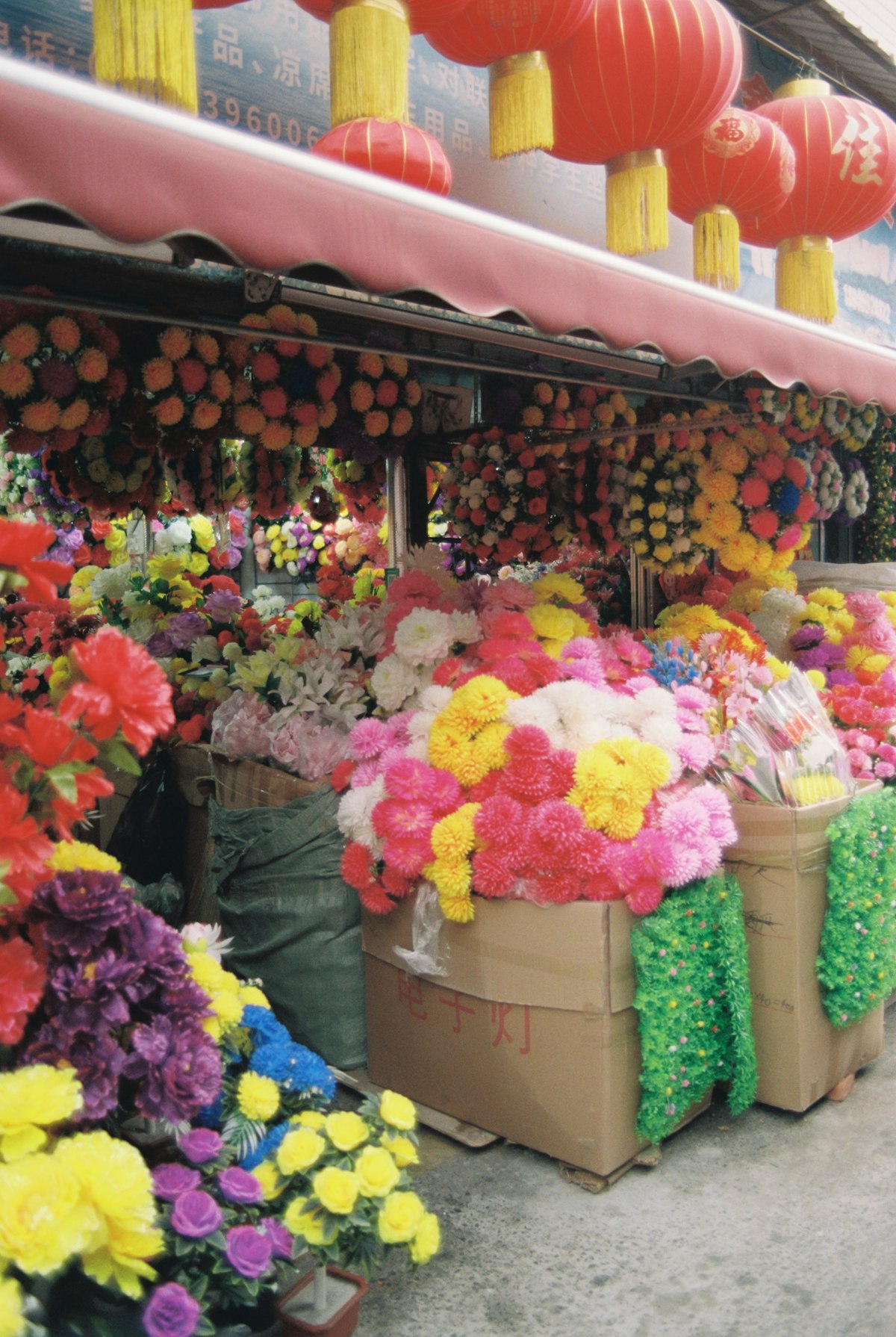
Before dawn, when Coimbatore still smells of coffee from early kitchens, the flower trade has already decided the mood of a thousand pooja rooms and wedding mantaps. The new R.S. Puram flower market—widely referred to by its older name, Panneer Slevan—has shifted from blueprint to bustle: 122 platform shops and 28 permanent shops now trade under a roof the corporation pitched as modern, hygienic and safer than the cramped choreography of the old yard on Rangai Gounder Street, which has been closed following the relocation. Alongside inauguration bouquets came a sharper number—rental rates hiked by 25%—triggering the ambivalent arithmetic vendors everywhere know: better drains and lights cost money, but margin is measured petal by petal when jasmine prices twitch with weather and temple calendars.
Flower markets are sentimental infrastructure; they hold memory in the scent of marigold and the rustle of banana sheaths. Moving them is never merely civil engineering—it is negotiating with superstition, habit, credit lines between growers in the hinterland and retailers who have stood on the same stone for twenty monsoons. The corporation’s case rests on congestion, waste runoff, and fire risk in tight lanes; traders’ worries include customer footfall patterns, parking for mini-lorries, and whether the new geometry helps women workers carry heavier loads with less shoulder strain.
A 25% rent increase lands differently on platform sellers—often thin-capital operators—than on permanent shop holders with deeper shelves and cold storage dreams. Transparent tiering, phased escalation for legacy vendors, and published maintenance accounts can convert a fight over percentages into a debate about value. Without that paperwork, grievance travels WhatsApp faster than chrysanthemum trucks from the hills.
Corporation engineers speak of load-bearing slabs and FSI; vendors speak of footfall omens on the first Friday after shifting. Bridging those dialects decides whether a facility feels like home or a rented cage.
Consumer advocates note that when wholesale rents spike without retail price transparency, tension migrates to end buyers already juggling inflation; civic empathy may mean publishing average wholesale indices during festival weeks.
What the new facility offers
Platform shops give flexible entry to smaller sellers; permanent units anchor bigger players who invest in grading, misting, and overnight cold retention. Together—150 vending points in round numbers—the market concentrates supply that once spilled across pavements, annoying pedestrians and tempting municipal bulldozers on bad days. Covered trading cuts sun spoilage; graded floors ease trolley wheels; segregated wet waste lanes, if enforced, keep decaying stems from clogging storm drains toward the Noyyal system.
Electrical capacity for low-temperature storage—even partial—extends shelf life for roses and carnations when weddings bunch on auspicious dates. Fire suppression and wide aisles address the old market’s nightmare scenario: sparks near plastic wraps in packed corridors.
Accessibility ramps for handcart porters and wheelchair-using buyers signal inclusive design; markets that ignore shoulders and wrists age their workforce faster than calendars.
Closure of Rangai Gounder Street
Shutting the legacy site risks nostalgia battles; success depends on whether buyers follow sellers without friction. Signage on approach roads, auto stand discipline, and first-month parking waivers for registered growers can lubricate habit change. Maps on corporation social handles beat oral directions shouted across honking.
Heritage photographers may mourn lost textures; planners reply with public health ledgers. The livable compromise is often interpretive boards—images of the old lane—so memory stays without congestion returning.
Rent, revenue and municipal finance
Higher rents feed maintenance, security, lighting, and janitorial contracts that outlast political terms. Councillors owe vendors line-item budgets—where each rupee of the 25% lands—so suspicion does not default to “overhead eats all.” Cross-subsidies for senior solo vendors or women-led stalls remain politically sensitive but socially potent.
Audit committees with vendor representatives—rotating annually—reduce trust deficits more than ribbon speeches.
Farmers and supply chain
Arrival timings before dawn need lit, gender-safe unloading zones; weighment fairness prevents predatory middlemen stories. Digital payment adoption reduces cash handling theft but needs UPI literacy support for elderly growers.
Route permits for lorries from Nilgiris foothills and Karnataka border belts—where some exotics arrive—must stay predictable; unpredictable detours wilt stock before sunrise.
Festivals and price surges
Navaratri, Diwali, wedding seasons spike demand; temp permits for overflow vendors must be rule-bound, not arbitrary, to avoid corruption optics. Price display norms—where feasible—help consumers without strangling dynamic auction culture.
Event decorators who bulk-buy on credit need banking correspondents nearby; petty cash ATMs inside the complex reduce predatory lenders circling tired sellers.
Hygiene and biomedical waste
Thorns, ribbons, and floral foam belong in segregated streams; compost partnerships with nearby parks or biomethanation pilots turn waste into optics the Smart City tagline actually deserves.
Pesticide residue debates occasionally surface; spot-testing partnerships with agri universities build credibility for export-oriented garland units supplying diaspora weddings abroad.
RS Puram’s urban context
D.B. Road’s evening walkers and the market’s morning trucks share one ecosystem; time-windowed heavy vehicle rules protect both romance and revenue. Noise curbs for generator sets matter to adjacent apartments whose balconies overlook the new roofline.
Smart City info boards up the road—maintenance-challenged elsewhere in RS Puram—could symbiotically display market parking and festival hour advisories if agencies share APIs instead of silos.
Culture and livelihood
Stringing jasmine is skilled labour; training centres for youth seeking export-grade garland finishing could pair with the market society—turning a rent hike story into a skills story if politicians sponsor modules, not only banners.
Name, memory and “Panneer Slevan”
Locals still say Panneer Slevan the way they say Town Hall—labels that outlive signage tenders. For editorial desks mapping URLs against lived vocabulary, that dual naming matters: search engines may favour the formal “R.S. Puram flower market,” but auto drivers and decorators quote the older name first. Municipal communication that respects both reduces the small frictions—wrong pin drops, duplicated Facebook groups—that plague every relocation.
Markets accrete origin myths: which philanthropist donated the first shed, which festival flood convinced traders to agitate for cover. Recording those stories on plaques does not pay rent, but it signals that the corporation sees vendors as citizens with lineages, not ledger rows alone.
Gender, safety and night shifts
Flower trading is not a nine-to-five romance. Women who string garlands through the small hours deserve lit passages, visible CCTV with privacy safeguards, and harassment redress protocols posted in Tamil and English. Security contracts should specify gender-balanced patrol ratios during peak unloading windows; a single dim bulb at a rear gate invites trouble that no rent revision can undo.
Crèche pilots—however modest—for young children of daily-wage stringers could convert a facility from “efficient shed” to “humane workplace,” a phrase rare in tender documents but loud in voter memory.
Competition and price discovery
Coimbatore’s floral map is not one dot. Buyers compare RS Puram rates with other wholesale pockets and emerging organised retail; arbitrage keeps margins honest. If the new complex’s rents push wholesale quotes up without quality gains, decorators will route lorries elsewhere and footfall narratives collapse. Conversely, cold-chain reliability and grading standards can justify a premium—provided buyers see the difference in vase life, not only in receipts.
Transparent auction corners—or at least published high-low bands during peak days—help small retailers plan without whisper networks that favour insiders.
Water, drainage and the Noyyal shadow
Stems stripped at scale produce organic slurry; without disciplined wash bays and grease traps, effluent finds the same storm lines that already worry ecologists tracing the Noyyal basin narrative. Daily pressure-wash schedules, silt traps, and third-party water-quality sampling after monsoon peaks turn green promises into data. Flower markets rarely headline environmental crime, yet their aggregate runoff can shame a smart city if ignored.
Rain-harvesting tanks on the new roof—cheap relative to litigation—signal alignment with Tamil Nadu’s water ethos beyond slogan boards.
Law, licences and RTI
Shop allotments touch tender law, reservation policies for weaker sections, and periodic anti-encroachment drives. Vendors who keep scanned copies of allotment orders, rent receipts, and maintenance invoices sleep better when ward boundaries shift or audits arrive. RTI applications asking for tariff rationalisation notes and expenditure on security can convert shouting matches into document trails judges and commissioners respect.
Insurance for fire and spoilage—often skipped by micro-vendors—deserves group schemes brokered through associations; a single blaze can erase a decade of petal savings.
Technology that actually helps
QR-coded stall maps for first-time buyers, WhatsApp broadcast channels moderated by elected vendor reps, and simple inventory SMS alerts for growers reduce chaos without demanding Silicon Valley budgets. What fails is glossy apps nobody updates after launch week. The corporation’s IT vendors should be judged on uptime during Deepavali eve, not demo-day animations.
Open Wi-Fi for payments must not become a phishing carnival; network segmentation and periodic password rotations belong in the same SOP as mop duty.
Ward politics and continuity
Councillors rotate; jasmine seasons do not. A standing market committee—with quorum rules, minutes published monthly, and a budget line for minor repairs—prevents every broken fan from becoming a dharna. When rent hikes land in election years, transparency is the only shock absorber; vague “development charges” invite opposition banners Photoshopped with marigold garlands.
Sister-city visits and horticulture expos occasionally gift Coimbatore ideas—Dutch auction clocks, Bangkok cold chains—but adaptation beats photocopying blueprints from climates that never knew Tamil wedding density.
Public health and post-pandemic habits
Masks may fade from memory, but hand-wash stations and vendor health camps remain relevant when thousands handle the same wet currency during festival peaks. Zoonotic scare stories travel fast; a single uncorroborated clip can empty a market faster than any rent dispute. Routine municipal health inspections—scheduled, not surprise theatre—rebuild the confidence that footfall charts measure.
Ventilation design that limits mould in monsoon weeks protects both asthmatic buyers and perishable stock; mechanical drawings deserve the same scrutiny as rent tables.
Finally, tourists photographing garlands for Instagram should remember that each coil of jasmine is someone’s wrist ache; courtesy at the counter costs nothing and keeps civic tempers cooler than any exhaust fan. A little patience at dawn goes further than any policy circular.
Looking ahead
If the Panneer Slevan reboot holds—clean floors, fair meters, predictable rents—Coimbatore’s weddings will keep smelling right, and the corporation will have shown that sentiment and sanitation can share a billing counter. If not, petals will return to pavements, and policy will meet poetry in protest garlands.
Journalists revisiting this story in a year will not ask only whether rents rose; they will count broken tiles, measure queue minutes at toilets, and interview growers on whether Coimbatore still feels like the fairest auction floor in the Kongu belt. Those mundane metrics—not ribbon colours—decide if a 25% line on a receipt bought dignity or merely a newer roof. Time, as always, remains the truly honest auditor.
Frequently asked questions
Where is the new market?
RS Puram’s new Panneer Slevan flower market facility—follow corporation signage and local maps; the old Rangai Gounder Street site is closed.
Why did rent rise 25%?
Corporation cites upgraded infrastructure and maintenance costs—seek published tariff orders for categories of shops.
How many shops are there?
122 platform shops and 28 permanent shops per official summaries.
Are parking and toilets available?
Modern markets typically include them; verify on-site and through corporation notices.
Can new vendors apply?
Watch corporation announcements for allotment or waiting lists; rules vary by shop type.
Is there a grievance cell for rent disputes?
Use corporation grievance portals and ward councillor offices; keep copies of allotment letters and payment receipts.
What happens to unsold stock?
Composting tie-ups and donation channels for temples or NGOs vary—ask vendors’ association desks for current practice.
Are there separate timings for wholesale and retail buyers?
Many markets stagger hours to protect bulk purchasers; check on-site notices or ask association offices for the current schedule.
Who maintains roads and lighting outside the gate?
Corporation ward engineering and electricity boards share duties; report outages via 1913 or local helplines and keep reference numbers.