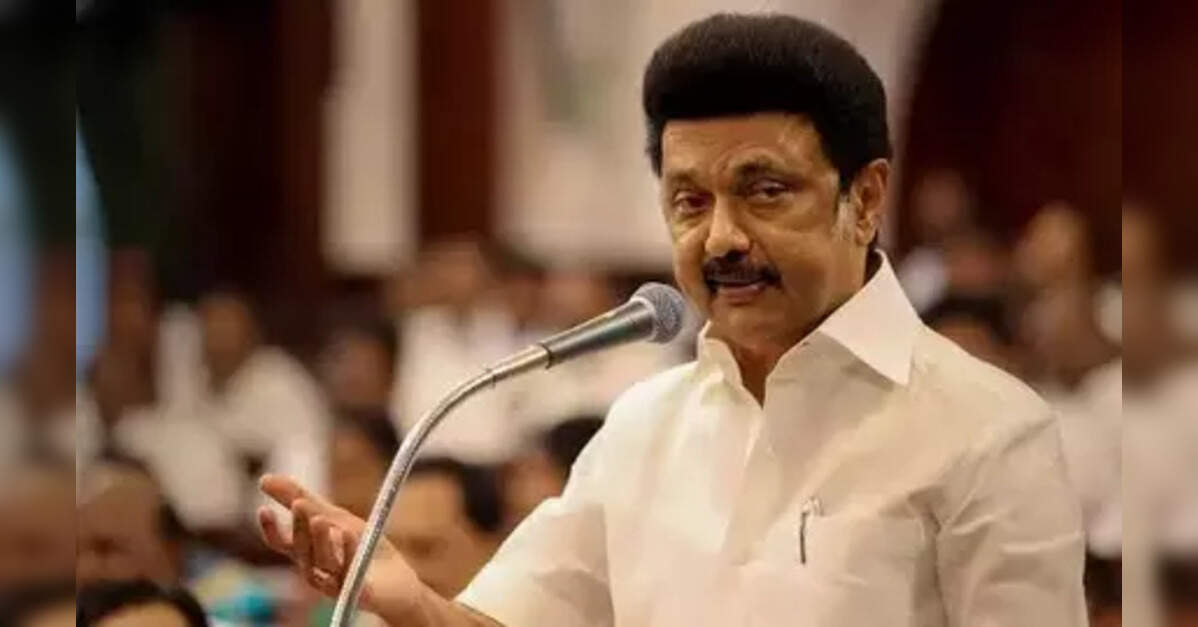
Chief Minister M. K. Stalin inaugurated the first phase of Coimbatore's Western Ring Road via videoconference on March 14, 2026, throwing open an 11.8 km four-lane stretch that runs from Mayilkal near Madukkarai to Madampatti Junction. The Rs 250 crore section, built with two flyovers, two vehicle underpasses and 13 minor bridges, is expected to cut travel time to Siruvani Road from over 45 minutes to about 15 minutes and ease congestion in the city centre by giving vehicles from Pollachi and Kerala a bypass to western areas.
The inauguration marked the completion of Phase I of a larger 32.43 km ring road planned from Madukkarai to Narasimhanaickenpalayam. The Highways Department has been executing the project in three phases at an estimated total cost of around Rs 900 crore. The newly opened stretch forms the southern segment and connects Madukkarai on the Kerala border side to Madampatti, from where motorists can access Siruvani Road, Perur and other western localities without entering the city.
Officials said the road would benefit commuters travelling between Pollachi, Kerala and the western fringes of Coimbatore. At present, such traffic either passes through the city or uses longer alternative routes. The four-lane highway, with a designed speed of 100 kmph, is expected to reduce both travel time and fuel consumption. The flyovers at Madukkarai and Madampatti are intended to eliminate level crossings and smooth the flow of vehicles. Madukkarai lies on the western approach to Coimbatore from Kerala and Palakkad, and has long been a bottleneck during peak hours. The new road diverts through traffic away from the town and onto the ring, easing congestion for local residents as well.
The project has been in the pipeline for over a decade. Land acquisition, utility shifting and alignment finalisation took several years. Construction of Phase I began after the necessary clearances were in place. The Highways Department deployed multiple contractors to speed up work, and the stretch was completed in line with the revised schedule. Delays in earlier years were attributed to disputes over land compensation and changes in alignment to avoid ecologically sensitive zones.
The road and its benefits
The 11.8 km Phase I stretch was developed at an estimated Rs 250 crore. It includes two flyovers, two vehicle underpasses and 13 minor bridges. The road has been built to national highway standards with proper drainage, crash barriers and signposting. Land acquisition for the stretch was completed earlier, and construction was taken up by the Highways Department.
Residents and traders in areas such as Madukkarai, Madampatti, Perur and those along Siruvani Road have welcomed the opening. Several said the new stretch would reduce their daily commute time significantly. A motorist who travels from Pollachi to Perur said he had earlier had to either go through Coimbatore city or take a longer route via Mettupalayam Road. The ring road would cut his journey by at least 20 minutes, he said. Shop owners in Madukkarai reported that through traffic had begun to divert onto the new road, easing congestion in the town.
Business groups in the western part of the district have also expressed hope that the improved connectivity would aid logistics and attract investment. The Kongu region has seen steady industrial and residential growth, and road infrastructure has often been cited as a constraint. The Western Ring Road, when fully completed, is expected to form a key link in the district's transport network. Industries in SIPCOT and other industrial estates that rely on movement of goods to and from Kerala and the western coast stand to gain from faster and more reliable connectivity.
The road also holds significance for tourism. Perur, Anaikatti and the foothills of the Western Ghats attract visitors from Coimbatore and beyond. A smoother route from the city and from Kerala could encourage more day trips and weekend travel. Resort owners and hospitality operators in the western belt have welcomed the development and said they expected a rise in footfall once the full ring was operational.
Phase II and III
Phase II of the project will run from Madampatti to Kanuvai, covering 12.10 km. Land acquisition for this stretch has been completed, and officials said construction would begin soon. Phase III, from Kanuvai to Narasimhanaickenpalayam, will complete the ring. The full 32.43 km road is expected to provide a seamless bypass for through traffic and reduce pressure on the city's inner roads.
The Highways Department has been coordinating with the district administration and local bodies for land acquisition and utility shifting. In some segments, work was delayed due to disputes over compensation and alignment. Officials said most issues had been resolved and that Phase II would be taken up on a priority basis. Tenders for Phase II are expected to be floated shortly. The department has set internal targets for completion, though these have not been made public. Experience from Phase I would be applied to avoid similar delays in the next stretch.
Phase III, linking Kanuvai to Narasimhanaickenpalayam, will complete the northern arc of the ring. Narasimhanaickenpalayam lies on the northern side of Coimbatore, and the full ring would allow vehicles to circumnavigate the city entirely. This would be particularly useful for freight traffic and long-distance buses that currently add to urban congestion. The state government has indicated that funding for Phase III is earmarked and that the project would be completed in a phased manner.
Political and administrative context
The Western Ring Road has been on the drawing board for years. Successive governments have allocated funds and pushed for its completion. The current phase was expedited under the present dispensation, with the Chief Minister monitoring progress. The videoconference inauguration was held in view of the model code of conduct for the Assembly election; a physical event was not organised.
Opposition parties have acknowledged the importance of the project while criticising delays in earlier phases. AIADMK and BJP leaders have said that had land acquisition and tendering been completed sooner, the road could have been opened earlier. The government has defended its record and said it had cleared pending issues and accelerated work.
The project is part of a broader push to upgrade road infrastructure in Tamil Nadu. The state has been implementing several ring roads, bypasses and highway expansions. Coimbatore, as a major industrial and commercial hub, has received attention for both inner-city improvements and peripheral connectivity. The Metro Rail project, the Gandhipuram bus stand rebuild and the Ukkadam bus terminus revision are among other ongoing initiatives. The Western Ring Road complements these by addressing inter-district and interstate connectivity. Officials said the state was also looking at improving connectivity between Coimbatore and neighbouring districts such as Tiruppur, Erode and Nilgiris, and that the ring road would integrate with future highway projects.
Coimbatore's population and vehicle ownership have grown substantially over the past two decades. The city's radial road network, designed for a smaller scale, often struggles during peak hours. Ring roads and bypasses are seen as essential to decongest the core and improve mobility. The Eastern Ring Road, which runs on the other side of the city, has already been in use. The Western Ring Road will provide a similar alternative on the western flank and complete the bypass system.
What commuters can expect
Motorists can now use the new stretch to travel between Madukkarai and Madampatti without entering the city. From Madampatti, they can proceed to Siruvani Road, Perur, Anaikatti and other western areas. The road is open to all vehicles. Toll collection, if any, has not been announced for this phase. Officials said the stretch would be maintained by the Highways Department.
Commuters are advised to follow traffic rules and speed limits. The road passes through rural and semi-urban areas, and local traffic—including two-wheelers and tractors—may use it. Pedestrians and cyclists should exercise caution, as the highway is designed primarily for motorised traffic. Signboards indicating speed limits, curves and intersections have been installed. Street lighting is in place at major junctions and at the flyovers to facilitate night driving.
Environmental and land use
The project required acquisition of agricultural and other land along the alignment. Farmers and landowners who parted with land were compensated as per government norms. In some cases, rehabilitation and alternative arrangements were made. Environmental clearances were obtained for the project, and mitigation measures for cutting through hills and crossing water bodies were implemented.
Local residents have raised concerns about the impact of increased traffic on villages along the route. Officials said that underpasses and service roads had been provided where needed to ensure that local movement was not disrupted. Noise and pollution from the highway would be monitored, and greening along the corridor would be taken up in due course. In Madukkarai and Madampatti, some residents said they had initially feared that the road would cut through their lands or isolate their habitations. The provision of underpasses and connectivity to the main road had addressed most of these concerns, though a few continue to seek better access to their fields and homes.
The road alignment was finalised after consultations with the Public Works Department, the Revenue Department and local panchayats. In a few stretches, the alignment was tweaked to avoid water bodies and to minimise the impact on irrigation channels. The Highways Department has assured that adequate culverts and bridges have been built to ensure that monsoon flows are not obstructed. Farmers in the command areas of nearby tanks and canals have been assured that their water supply would not be affected.
What comes next
The focus now shifts to Phase II, from Madampatti to Kanuvai. The Highways Department is expected to float tenders and award contracts soon. Land acquisition is complete, and utility shifting is in progress. Once Phase II is ready, the ring road will extend further north, improving connectivity to more areas.
Officials said the full ring road would take a few more years to complete. Funding has been allocated in the state budget, and the project is being closely tracked. The Chief Minister has directed that timelines be adhered to and that quality of construction be maintained. Residents and commuters can expect periodic updates from the Highways Department and the district administration. The department's website and local news outlets typically carry announcements when new stretches are opened or when traffic diversions are planned for construction work.
Frequently asked questions
Where does the newly opened stretch start and end?
Phase I runs from Mayilkal (near Madukkarai) to Madampatti Junction, a distance of 11.8 km. It is a four-lane highway with two flyovers, two vehicle underpasses and 13 minor bridges.
How much did Phase I cost?
The stretch was built at an estimated Rs 250 crore. The full 32.43 km ring road is expected to cost around Rs 900 crore across three phases.
When will Phase II and III be ready?
Phase II (Madampatti to Kanuvai, 12.10 km) has completed land acquisition and construction is expected to begin soon. Phase III will follow. No firm completion dates have been announced for the full ring.
Will there be a toll?
Toll collection has not been announced for Phase I. The stretch is open to all vehicles. Any decision on tolling for the full ring road would be taken by the government at a later stage.
How do I reach Siruvani Road from Pollachi using this road?
From Pollachi, take the road toward Madukkarai/Coimbatore. Enter the Western Ring Road at Mayilkal and proceed to Madampatti. From Madampatti, follow the signs to Siruvani Road. The journey should take approximately 15 minutes on the ring road stretch, compared to over 45 minutes via the city earlier.
Who maintains the road?
The Western Ring Road is a state highway and is maintained by the Tamil Nadu Highways Department. The department's Coimbatore division is responsible for upkeep, including repairs, signages and emergency response. Motorists can report issues to the nearest highway maintenance unit or through the department's grievance channels. Potholes, damaged barriers and faulty signages are typically addressed within a few days of reporting during non-monsoon periods.