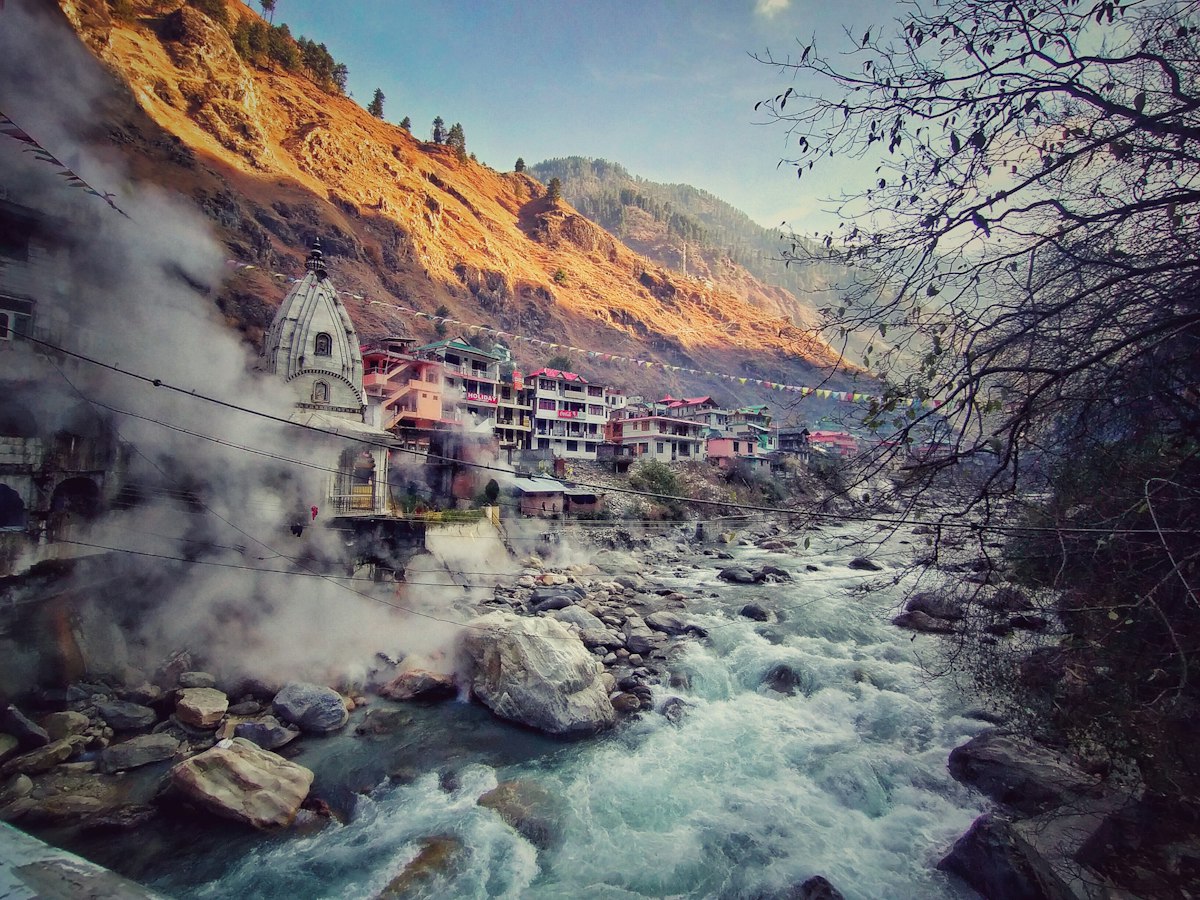
Valparai sits in the Western Ghats imagination like a postcard that learned to breathe—tea estates stair-stepping cloud, hairpin bends scribbled over altitude, and mornings when mist erases the difference between plantation lane and forest edge. It is also, administratively, part of Coimbatore district, a fact that sometimes surprises coastal Tamil Nadu visitors who assume “hill station” equals “Nilgiris label on every map.” Ecologically, the plateau matters for another reason: it falls within landscapes where the Nilgiri tahr—stocky, sure-footed, stubbornly local to these sky islands—still clings to existence as an endangered emblem. When the Tamil Nadu Forest Department frames new eco-friendly tourism measures for the area, the brief is almost philosophically simple and operationally brutal: let people see wonder without loving it to death; let tahr mothers nurse kids on grass ledges without Instagram drones buzzing like hornets.
“Eco-friendly” is a phrase worn smooth by brochures; in Valparai it must translate into garbage lines that do not reach sholas, speed limits that survive long weekends, and homestay economies that do not metastasize into unchecked concrete. Tourism pays tea workers’ cousins and taxi unions; it also pays lawyers when SUVs chase animals for selfies. Forest officers know both receipts.
Balancing conservation with access is not a spreadsheet duel between zero visitors and unlimited entries—it is choreography. Timed routes, trained nature guides, caps on night noise, and strict plastic discipline matter as much as any glossy interpretation centre. Locals who grew up hearing tahr hooves scrape granite at dawn carry knowledge no QR code replaces; programmes that hire and respect them outperform imported “adventure” brands parachuted for a season.
Journalists should ask for published carrying-capacity studies, not only press-note adjectives. Citizens can reward compliance with repeat visits and punish violations with reviews and RTI follow-ups.
Finally, the Western Ghats are a UNESCO World Heritage cluster for reasons that exceed tea tourism; Valparai’s story is a chapter, not the whole book—humility helps.
Nilgiri tahr: why Valparai’s cliffs matter
The Nilgiri tahr is not a generic “mountain goat” imported from metaphor; it is a specialised caprid tied to grassy escarpments and shola–grassland mosaics. Habitat shrinkage, invasive species, fire regimes, and disturbance along escape routes all translate into population anxiety. Valparai’s interface between working estates and wild pockets creates both opportunity—buffer stewardship—and risk, when estate roads become racetracks on holiday eves.
Females calving on exposed ledges need quiet weeks more than festival decibels; males sparring during rut draw tourists with long lenses who forget that stress hormones also read as “great footage.” Ethical viewing distances belong in enforceable guidelines, not polite suggestions drowned by exhaust notes.
What “eco-friendly tourism” can mean on the ground
Interpretation boards in Tamil and English, low-impact trails that avoid eroding sod, segregated waste backhauled to plains towns with recycling contracts, and toilet blocks with biological treatment—not pits leaching toward streams. Electric or CNG last-mile shuttles inside designated zones cut decibel and PM load compared with convoys of diesel Thars flexing for reels.
Fee structures that earmark rupees for anti-poaching patrols and weed removal close the loop between visitor rupee and ranger boot on the ground.
Forest Department tools and tensions
Checkposts, e-tickets, night-traffic curbs, and rapid response teams for human–wildlife interface incidents are standard levers. Tension arrives when political constituencies demand “development” read as wider roads and more resorts; officers must translate ecological red lines into language MLAs respect—votes versus vanished watersheds.
Joint patrolling with estate managements—shared radio nets, firewatch towers—turns neighbours into allies instead of fence-line adversaries.
Tea estates as stewards and stressors
Plantations employ thousands; they also fragment movement if corridors are not mapped and honoured. Organic transitions, pesticide stewardship, and riparian buffers along estate drains improve water for downstream Pollachi fields and upstream tahr alike. Estate tourism circuits that herd buses through sensitive hours should face revised SOPs when calving seasons peak.
Plastic, litter and the optics of care
Valparai’s wind likes to redistribute chip packets into sholas; deposit schemes on bottles, cloth bag mandates at checkposts, and fines with teeth beat slogan flex on World Environment Day alone. School eco-clubs from Anaimalai to Pollachi can audit trail cleanliness—youth shame works when institutions back them.
Wildlife beyond tahr
Elephants use historical paths; gaur block roads with existential calm; lion-tailed macaques evaluate your snacks. Eco-tourism messaging must educate on all three—speed kills, feeding kills slowly, and flash photography blinds canopy species. Interpretation that celebrates the whole community avoids monoculture mascot politics.
Climate, weather and safety
Monsoon landslides rewrite ghat geometry; summer fires demand vigilance. Tourists chasing “fog reels” sometimes ignore visibility realities; rescue budgets are finite. Weather-linked advisories pushed via SMS at base towns save lives cheaper than after-the-fact helicopters.
Livelihoods, homestays and equity
Revenue from regulated tourism should touch tribal and estate-adjacent households with transparent homestay registries—not only investors from distant cities. Training women as guides and drivers chips away at male-dominated taxi cartels while improving safety perceptions for women travellers.
Research, NGOs and citizen science
Camera traps, scat genetics, and altitude-use studies refine corridor plans; universities and credible NGOs partner best when data feeds policy, not only PhD chapters. Volunteers counting invasive lantana hours deserve protective gear and insurance, not romanticised “free labour” labels.
Law, enforcement and courts
Wildlife Protection Act provisions, eco-sensitive zone debates, and occasional judicial interventions shape what can be built where. Documented violations—illegal construction, noise generators at midnight—strengthen contempt proceedings when repeat offenders mock closure orders.
Transport geometry
Pollachi–Valparai buses and private cars stack on hairpins; overtaking culture kills. Pullouts, crash barriers maintained—not rusting as sculpture—and ambulance staging points at mid-ghat elevations trim mortality curves.
Hydrology, dams and downstream Coimbatore
Valparai’s rainfall feeds rivers and reservoirs that matter to plains agriculture and urban water security; silt from reckless slope cutting or illegal diversions travels faster than apology tours. Shola forests sponge monsoon bursts; replacing them with short-term viewpoints is hydrological foolishness dressed as development.
Tea factory effluent standards, if slack, colour streams tourists photograph for “picturesque rust”—chemistry does not care about filters.
Invasive species and grassland health
Lantana, acacia and other escapees squeeze native grasses tahr depend on; labour-intensive removal beats glyphosate debates in water-rich catchments when alternatives exist. Controlled cool-season burns—where science and communities agree—can reset succession without turning hills into annual inferno headlines.
Human–wildlife conflict and compensation
Crop raids and rare confrontations strain trust; prompt, transparent compensation and solar fences where appropriate work better than whisper campaigns blaming animals for politicians’ broken promises. Night-time estate worker safety—torch protocols, buddy systems—deserves budgets alongside tourist-facing signage.
Health care and tourist preparedness
Altitude, leeches, hypothermia in sudden fog, and cardiac stress on steep walks kill the unprepared. Primary health centres need oxygen readiness during peak season; travellers should carry prescriptions, not only selfie sticks.
Cultural heritage and sacred groves
Local shrines and oral histories anchor stewardship ethics tourists rarely read in guidebooks; interpretation that credits Adivasi and Malaiyali narratives resists extractive “discovery” tropes. Festival calendars sometimes align with wildlife stress—coordination beats collision.
Carbon, travel and responsible choices
Train-plus-bus combinations from Coimbatore shrink per-capita emissions versus solo SUVs; carbon offsets are no substitute for fewer tyres on mossy bends. Car-pooling apps that verify driver permits reduce illegal cabs whose exhaust and behaviour stain the whole sector.
Fire, cigarettes and stupidity
A tossed butt has lit thousand-acre nightmares elsewhere in the Ghats; zero-tolerance messaging at checkposts and visible prosecutions matter more than annual awareness stickers. Estate fire lines maintained year-round beat panic bulldozers after smoke columns rise.
Parambikulam, Anamalai Tiger Reserve and landscape thinking
Valparai’s ecology does not end at a teashop sign; contiguous management with neighbouring protected areas improves gene flow for wide-ranging species. Corridor meetings that include Kerala counterparts reduce interstate blame games when elephants take diplomatic immunity across boundaries.
Digital overload and acoustic peace
Bluetooth speakers on viewpoints vandalise soundscapes for humans and wildlife; acoustic zoning—quiet hours at dawn and dusk—costs nothing but enforcement spine. Star tourism belongs to darkness-friendly street lighting, not floodlights aimed at every tree for wedding portfolios.
Education and school excursions
When buses of children arrive, chaperone ratios and pre-trip briefings prevent stampedes toward animals. Curriculum links to Coimbatore classrooms make Valparai a living lab, not a one-day picnic litter spike.
Procurement, corruption and optics
Eco-tourism funds mis-spent on flex banners invite cynicism; third-party social audits of expenditure lines rebuild faith. Local contractors for trail work keep rupees circulating honestly if tendering stays fair.
Post-pandemic travel behaviour
Weekend surges from Bengaluru and Chennai test carrying capacity; staggered ticketing spreads load across weekdays where possible. “Workations” extending stays strain septic systems unless homestay density matches sewage reality.
Photography ethics and influencer responsibility
Callouts, geotagging precise den sites, and baiting animals with food for frames convert audiences into foot traffic bombs. Creators who blur locations, model quiet behaviour, and disclose permit status set norms brands should sponsor instead of splashy SUV stunts.
Press photographers on assignment carry obligations too—cropping out litter only edits truth; documenting violations sometimes serves ecology more than another pretty cliff.
Looking ahead
If Tamil Nadu’s eco-tourism push pairs caps with care—fewer vehicles at wrong hours, more local income at right ones—Valparai can remain a place where tahr silhouettes still interrupt sunrise without becoming a museum caption. If marketing outruns monitoring, the same cliffs will host more litter than kids, and the tahr will pay first.
District collectors rotate; tahr generations do not. Policy memory must live in GIS layers, enforcement logs and budget lines that outlast election cycles, or each new officer reinvents the wheel while tyres keep crushing moss.
Coimbatore’s plains voters may never see a tahr, yet they drink its watershed; linking city classrooms to hill outcomes builds constituencies for protection beyond weekend traffic.
The moral case is almost banal: nobody’s weekend reel should cost a species its ledge. Wonder deserves manners—and quiet mountain mornings that outlast any algorithm’s attention span.
Frequently asked questions
Where is Valparai?
A hill town in the Anaimalai/Cardamom Hills belt, part of Coimbatore district—typically reached via Pollachi and the ghat road.
What is the Nilgiri tahr?
An endangered mountain ungulate endemic to the Western Ghats’ high grass–shola systems; viewing requires distance, silence and compliance with forest rules.
What are the new eco-friendly measures?
Follow Tamil Nadu Forest Department circulars and local checkpost advisories for timings, fees, plastic bans and route restrictions—details evolve by season.
Can I feed or approach animals?
No—feeding alters behaviour and risks injury; approaching closely violates safety and law.
Are drones allowed?
Often restricted near wildlife and forest areas; verify permissions or assume prohibition unless explicitly granted in writing.
How can tourists help?
Carry reusables, use designated toilets, hire local guides, obey speed limits, and report violations with photos, dates and locations.
What about homestays?
Choose registered operators; confirm waste handling and parking plans to avoid stressing village lanes.
When is the best time to visit?
Weather and wildlife behaviour vary by season; check official advisories for fog, rain and calving-sensitive windows rather than chasing viral reels alone.
Are permits required?
Forest checkposts may require passes or fees depending on route and vehicle type—carry ID and follow instructions posted on site.
What if I see poaching or litter dumping?
Note location, time and vehicle details safely; alert forest staff or police using official helplines without confronting armed offenders.
Can I trek off-trail?
Off-trail hiking risks habitat damage and accidents; stick to designated paths unless guided by authorised personnel with valid permissions.
How does this help the Nilgiri tahr?
Reduced disturbance, habitat restoration funded by regulated fees, and corridor protection collectively improve survival odds—tourism helps only when rules bite harder than marketing.
Are there entry fees or cameras charges?
Policies change frequently; carry adequate cash and digital payment options as advised at checkposts and read current tariff boards very carefully to avoid ugly disputes in remote stretches.